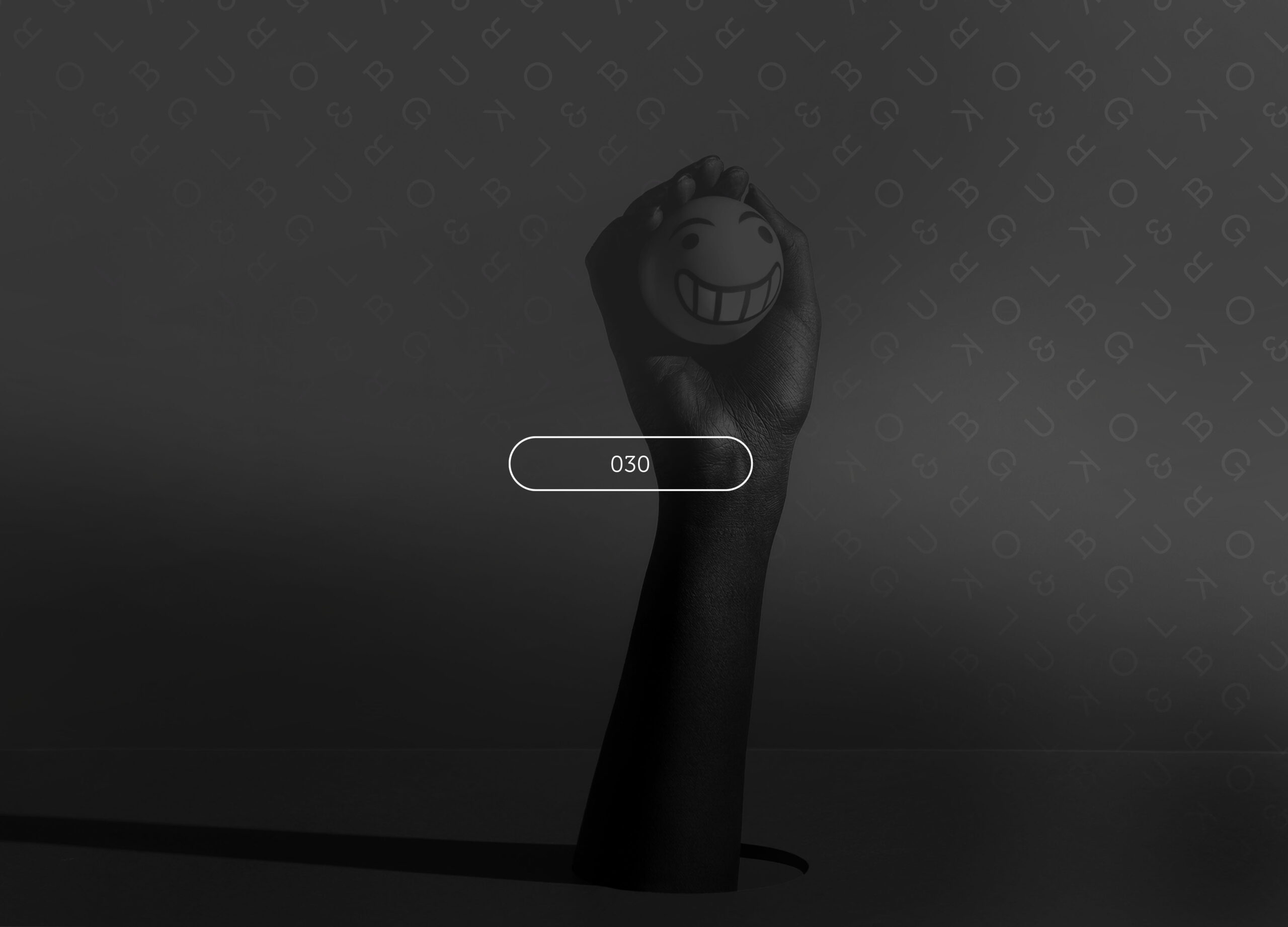
Smooth skin. Perfect teeth. Not a wrinkle in sight.
And yet there is something striking about all those perfect faces.
They are beginning to look more and more alike.
Not because there is anything wrong with a cosmetic procedure. Anyone who wants to change their appearance should be free to do so.
But when everyone pursues the same ideal, something curious happens: what was intended to make you look better can sometimes make you less recognisable.
It is not much different with brands.
The Cosmetic Procedure
A new logo. A fresh colour. A website with large type, smooth animations and photos of people who appear to be having the time of their lives in a board meeting.
It all looks excellent.
But take away the logo and the question suddenly becomes much harder:
Whose brand is this, exactly?
Many companies start branding with the outside. Understandably. It is the first thing you see. A new look feels like progress. You can present it, launch it and, with a bit of luck, everyone inside the company feels good about it.
But a new look does not yet answer the question of who you are.
Let alone why anyone should remember you.
AI Gives Everyone the Same Perfect Teeth
And then AI entered the picture.
With a few prompts, you can create a decent-looking logo, write convincing copy and generate images that would not look out of place in a campaign.
That is impressive and incredibly useful, too.
But things get interesting when everyone starts using roughly the same prompts.
Make it modern.
Make it professional.
Make it innovative.
Make it accessible.
And make sure to add that the customer comes first.
The result?
Brands that look polished, but increasingly sound as if they have all visited the same digital cosmetic surgeon.
The same words. The same images. The same carefully crafted sentences that nobody could object to.
And that leave nobody feeling much of anything.
Perfection Is Not the Same as Personality
AI can recognise patterns and produce variations at remarkable speed. But it cannot decide which choices suit you, which beliefs you genuinely stand behind or what behaviour should follow from them every day.
You have to do that yourself.
Because character does not live in a prompt. It lives in the choices a company makes deliberately.
In what you do, but also in what you choose not to do.
In how you treat customers. In the words you use. In the space you give to humour, individuality or an opinion not everyone shares.
And sometimes in the rough edges, too.
Not because everything has to be unpolished. A strong identity can be refined. Good copy can be sharpened. And AI can be perfectly helpful with that.
But once you smooth away everything that makes a brand its own, you may be left with something beautiful.
Just no longer something that belongs to you.
The Outside Matters Too
Do not get me wrong.
Design matters.
A strong visual identity can reinforce a story. A well-designed website can inspire confidence. And a recognisable visual language can help people notice you.
But the outside only really works when there is something behind it.
An idea. A conviction. A way of working. Something that does not disappear when the trend changes or the next AI tool suggests a new style.
Branding is not about choosing between beauty and substance.
It is about making sure what you show reflects who you are.
A Little Less Perfect Is Fine Too
Perhaps that is the challenge for brands in a time when it is becoming easier for everyone to create something beautiful.
Not becoming even more polished.
But getting to know your own face better.
Use AI to explore, speed things up and sharpen ideas. But do not let it quietly decide how you sound, what you show and which choices you make.
Because a brand does not need to be perfect to be appealing.
Above all, it needs to be recognisable enough to stay with people.
And looking like everyone else rarely achieves that.
So take a look at your own brand: would someone recognise it if you took the logo away?
Not sure about the answer? Let's talk.